The Connection Between Blower Fans and HVAC System Efficiency
Understanding HVAC Systems and Their Components
Overview of HVAC Systems
HVAC systems regulate temperature, humidity, and air quality in homes and commercial buildings. They combine heating, ventilation, and air conditioning functions into one integrated setup. A typical HVAC system includes a furnace for heat, an air conditioner for cooling, and ductwork that distributes conditioned air. These units work together to maintain consistent comfort levels year-round. Modern HVAC systems also incorporate smart controls that adjust operation based on occupancy and outdoor conditions. Proper design ensures balanced airflow and energy efficiency across every season. Homeowners rely on these systems to reduce utility costs while improving indoor air quality. Regular inspections keep components functioning at peak performance levels.
Key Components of an HVAC System
Core elements include the compressor, evaporator coils, condenser, and blower motors. The furnace supplies heat while the air conditioner removes it during warmer months. Ductwork channels air throughout the structure. Thermostats serve as the command center that signals when to activate heating or cooling cycles. An air filter traps dust and allergens before they circulate. Blower fans push conditioned air through the ducts at the required volume and speed. Each part must operate in sync to avoid strain on the entire HVAC system. OEM parts often deliver the best fit and longevity for replacements.
The Role of Blower Fans in HVAC
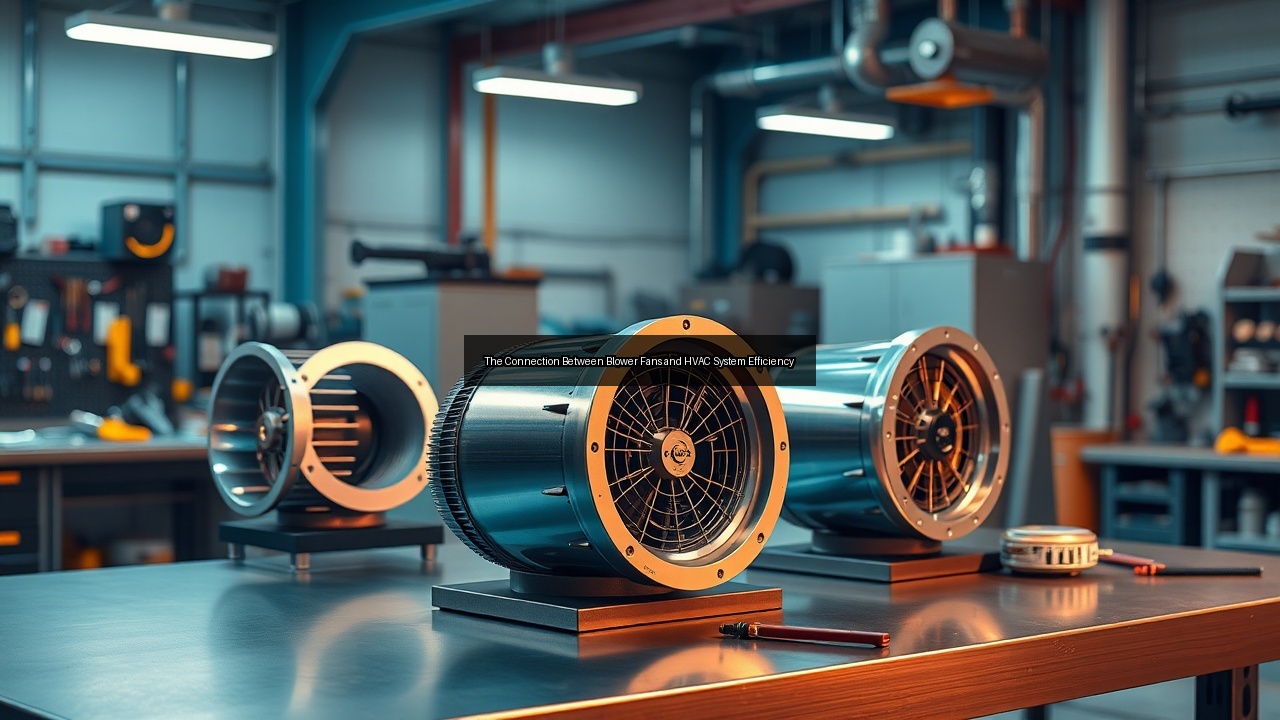
Blower fans move air across heat exchangers or evaporator coils to transfer warmth or coolness into living spaces. Without adequate airflow from these fans, an HVAC system loses efficiency quickly. They determine how effectively conditioned air reaches every room. In furnaces, blower fans activate after the heat exchanger warms up. In air conditioners, they run continuously during cooling cycles. Properly sized blower fans prevent hot or cold spots and reduce energy waste. Many HVAC blower motors now feature variable speeds that match demand and lower operating costs.
The Importance of Blower Fans in HVAC Efficiency
How Blower Fans Work
Blower fans draw return air through the air filter and force it over heated or cooled coils. The air then travels through supply ducts into each room. A blower motor powers the fan wheel, often called a cage, which generates the necessary pressure. Variable-speed models adjust RPM based on thermostat demand, improving comfort and reducing electricity use. Fixed-speed units run at full power until the set temperature is reached. Both types rely on clean components and balanced blades for optimal performance. Dirty blower fans or misaligned cages create drag that forces the motor to work harder.
Impact of Blower Fans on Airflow and Comfort
Strong, consistent airflow from blower fans directly affects room comfort and system efficiency. Weak airflow leaves some areas too warm or too cool while the HVAC system runs longer. Properly functioning blower fans distribute air evenly and maintain steady temperatures. They also influence humidity control in air conditioning mode. When blower fans operate correctly, the air conditioner removes moisture more effectively. Homeowners notice fewer drafts and quieter operation. Upgrading to a high-efficiency blower motor often improves overall HVAC performance without replacing the entire unit.
Types of Blower Fans Used in HVAC Systems
Common designs include forward-curved, backward-curved, and airfoil blower fans. Forward-curved wheels suit residential furnaces because they move large air volumes at moderate pressures. Backward-curved fans handle higher static pressures found in commercial HVAC setups. Airfoil blades improve efficiency in large air conditioner applications. Many modern HVAC blower motors pair with electronically commutated motors that offer precise speed control. Selection depends on duct design, desired airflow rate, and noise limits. Matching the correct blower fan type to the HVAC system prevents short cycling and extends equipment life.
HVAC Blower Housing: Design and Functionality
What is Blower Housing?
Blower housing encloses the fan wheel and directs airflow into the duct system. This component, often called HVAC blower housing, prevents air leakage and maintains proper pressure. It mounts directly to the furnace or air handler cabinet. The housing shape influences how smoothly air transitions from the spinning cage into the ducts. Poorly designed blower housing creates turbulence that reduces efficiency. Manufacturers engineer HVAC blower housing assemblies to fit specific blower motors and wheel sizes. Replacement units must match the original dimensions to restore full performance.
Types of Blower Housing Assemblies
Single-inlet and double-inlet configurations represent the two primary blower housing assemblies. Single-inlet designs work well in compact furnace blower housing applications. Double-inlet versions increase airflow capacity in larger HVAC systems. Some assemblies include integrated scroll wraps that guide air efficiently. Aftermarket blower housings often feature reinforced seams and improved insulation to reduce noise. OEM blower housing assemblies guarantee exact fitment with existing blower motors and mounting brackets. Technicians inspect the housing for cracks or corrosion during routine service visits.
Material Considerations for Blower Housing
Most blower housings use galvanized steel for strength and corrosion resistance. High-end HVAC blower housing may incorporate aluminum or coated steel to resist moisture in humid climates. The material must withstand constant vibration from the blower motor without deforming. Thicker gauges reduce noise transmission through the cabinet. Some manufacturers add insulation inside the HVAC blower housing to dampen sound. Proper material choice affects both durability and energy efficiency. Homeowners should verify that replacement blower housings carry the same specifications as the original equipment.
Factors Affecting Blower Fan Performance
The Role of Air Filters in Efficiency
A clean air filter allows unrestricted airflow to the blower fan. Clogged filters force the motor to work harder, raising energy consumption and reducing comfort. Technicians recommend checking filters monthly during peak seasons. High-efficiency filters capture more particles but can restrict airflow if not sized correctly. Proper filter maintenance protects both the blower fan and downstream coils. Neglected air filters shorten the lifespan of blower motors and increase repair frequency. Consistent filter changes keep the entire HVAC system operating near its rated efficiency.
Ball Bearings vs. Sleeve Bearings in Blower Motors
Ball bearing blower motors handle higher loads and last longer than sleeve bearing models. They tolerate continuous operation in demanding HVAC applications. Sleeve bearings cost less but wear faster under heavy use. Many OEM units specify ball bearing construction for blower fans that run year-round. Proper lubrication intervals differ between the two types. Technicians check for noise or vibration that signals bearing failure. Upgrading from sleeve to ball bearing motors improves reliability in high-use environments. The choice directly influences long-term maintenance costs.
Brand Reputation and OEM Considerations
Established brands design blower fans and HVAC blower housing with tight tolerances that ensure quiet, efficient operation. OEM components match the original engineering specifications for the HVAC system. Aftermarket parts may vary in quality and fit. Homeowners who select reputable brands often experience fewer callbacks and longer equipment life. Feedback from technicians frequently highlights differences in motor durability between brands. Choosing OEM blower motors and blower housing assemblies preserves warranty coverage and system performance. Researching brand reputation helps avoid premature failures.
Maintenance and Warranty Considerations for HVAC Systems
Regular Maintenance for Optimal Performance
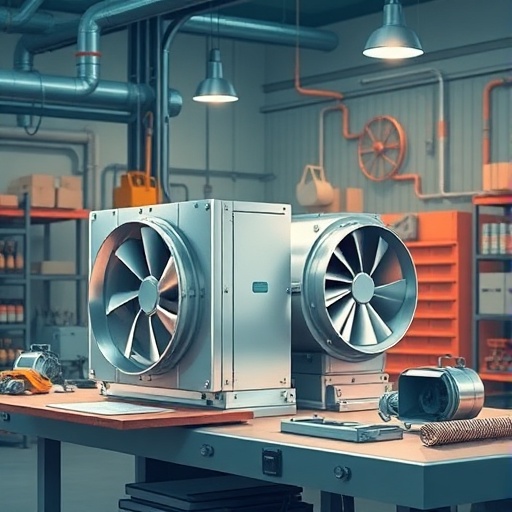
Scheduled tune-ups keep blower fans, blower motors, and HVAC blower housing in top condition. Technicians clean the fan cage, lubricate bearings, and verify airflow. They also inspect the blower housing assembly for damage or loose seals. Annual maintenance prevents efficiency losses that accumulate over time. Homeowners who follow maintenance schedules notice lower utility bills and fewer breakdowns. Filter replacement forms the foundation of any effective HVAC care plan. Professional service extends the life of blower fans and related components.
Understanding HVAC Warranties
Most HVAC warranties cover parts for five to ten years when the system receives proper maintenance. Some manufacturers require documented filter changes and annual inspections to honor claims on blower motors. Using non-OEM blower housing assemblies can void coverage in certain cases. Homeowners should review warranty terms before replacing any major component. Proper registration of the HVAC system activates full protection. Warranty support often depends on using approved parts and qualified technicians for repairs.
Feedback and Reviews on Blower Fans and Housing
Customer feedback highlights quieter operation and improved airflow after upgrading blower fans or HVAC blower housing. Reviews frequently mention reduced energy bills once variable-speed motors replace older single-speed units. Technicians share positive experiences with OEM blower housing assemblies that fit without modification. Negative comments often cite premature wear when low-quality aftermarket parts are installed. Reading recent reviews helps homeowners select reliable blower motors and housing options. Aggregated feedback guides decisions on brand and model choices for long-term satisfaction.