How Grease Products Combat Corrosion and Extend Equipment Lifespan
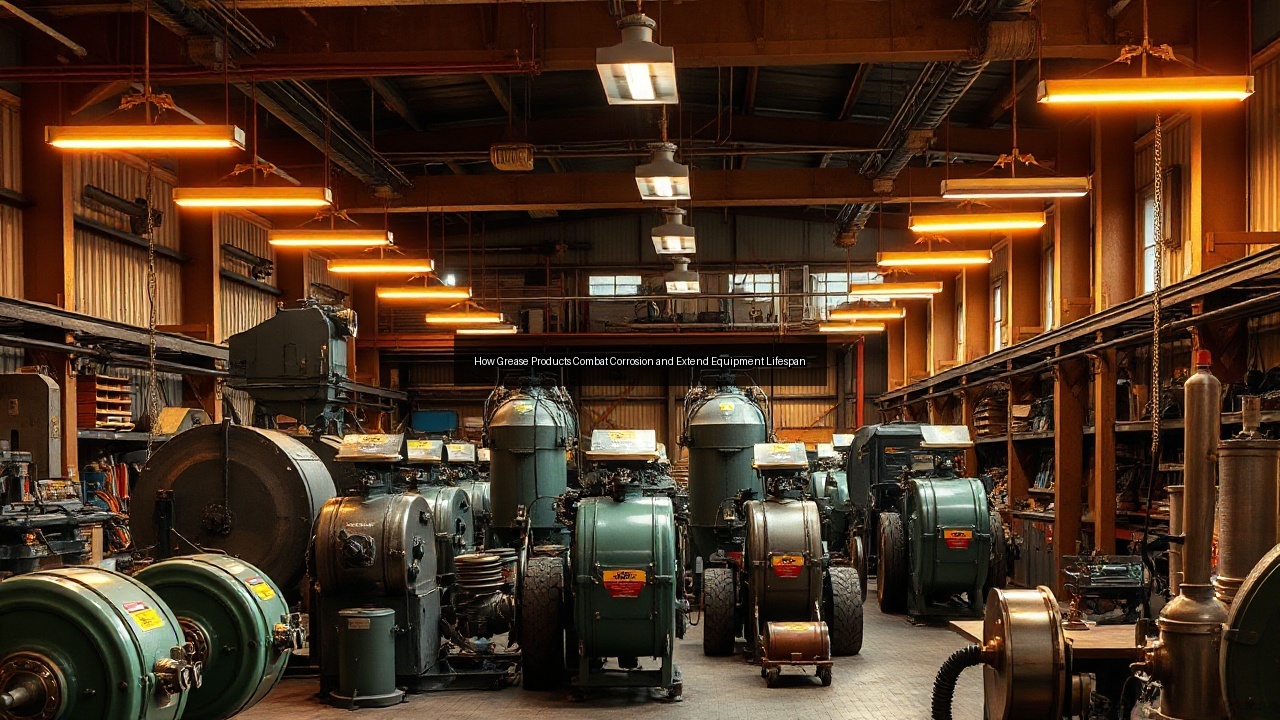
Understanding Grease Products and Their Role in Corrosion Prevention
What Are Grease Products?
Grease products serve as essential lubricants that stay in place where fluid oils might leak or sling away under motion. A typical grease product combines a base oil with a thickener to create a semi-solid consistency that clings to metal surfaces in bearings, gears, and sliding contacts. This formulation delivers continuous lubrication while sealing out contaminants that accelerate wear. Operators in manufacturing, transportation, and agriculture rely on grease products to maintain equipment uptime because the material resists displacement from vibration or centrifugal force. Unlike motor oil that circulates through engines, grease products remain localized, providing both lubrication and a protective barrier against oxidation and rust. Their versatility spans wheel bearings in cars to heavy gear sets in mining machinery, making them indispensable for extending service intervals.
The Chemistry of Grease: Base Oils and Thickeners
Base oils form the primary lubricating component in any grease product, whether mineral, synthetic, or vegetable-derived. These oils determine flow characteristics, temperature stability, and load-carrying capacity. Thickeners such as lithium, calcium, clay, or fumed silica create the matrix that holds the base oil in suspension. Lithium thickeners dominate general-purpose greases because they offer good mechanical stability and water resistance. Polyurea thickeners excel in high-temperature applications like electric motor bearings. The interaction between base oil and thickener controls oil bleed rates and consistency grades measured on the NLGI scale. Additives further modify performance by combating oxidation and friction. Proper balance of these elements ensures the grease product maintains film strength under pressure without softening or hardening prematurely.
Types of Greases: From Lithium to Polyurea
Lithium greases remain the most common choice for automotive and industrial use due to their broad temperature range and compatibility with many seals. Calcium greases provide excellent water resistance for marine and outdoor equipment exposed to moisture. Clay-thickened greases handle extreme heat in steel mills and kilns without melting. Polyurea greases deliver long life in sealed-for-life bearings found in electric motors and automotive wheel hubs. Silicone greases offer compatibility with rubber and plastics in electrical components. Each classification addresses specific operating conditions, from high pressure in hydraulic systems to low-temperature pumpability in construction vehicles. Matching the right grease type to the application prevents premature failure and reduces maintenance costs across industries.
How Grease Products Combat Corrosion
The Mechanisms of Corrosion in Machinery
Corrosion attacks metal surfaces when oxygen, moisture, and electrolytes combine to form rust and pitting. In machinery, friction generates heat that drives oxidation while water ingress from condensation or washdowns introduces electrolytes. Gear teeth, bearings, and hydraulic cylinders suffer most because load zones trap moisture and accelerate electrochemical reactions. Without protection, surfaces degrade rapidly, increasing clearance and generating vibration. Grease products interrupt this process by forming a physical barrier that excludes water and oxygen. They also neutralize acidic byproducts from lubricant breakdown. Regular application of the correct grease product stops the cycle before visible rust appears, preserving tolerances and preventing catastrophic seizure in critical components.
Corrosion Inhibitors: Key Ingredients in Grease Products
Corrosion inhibitors in grease products adsorb onto metal surfaces to create a molecular film that blocks electrochemical reactions. These additives include organic amines, zinc compounds, and specialized esters that migrate to exposed areas during operation. When water penetrates the lubricant film, inhibitors neutralize the electrolyte and prevent rust formation. High-quality grease products contain synergistic inhibitor packages that remain effective even after extended service. In environments with aggressive chemicals or salt spray, operators select formulations with elevated inhibitor levels. This chemical protection complements the physical sealing action of the thickener, delivering dual defense against corrosion in mining equipment, agricultural machinery, and automotive transmissions.
Water Resistance and Its Importance in Corrosion Control
Water resistance determines how well a grease product maintains its structure when exposed to rain, steam, or wash water. Greases with poor resistance emulsify quickly, allowing water to reach metal surfaces and initiate rust. Lithium complex and calcium sulfonate thickeners provide superior resistance by forming stable emulsions or repelling water outright. In marine and food and beverage processing, this property prevents both corrosion and bacterial growth. Water-resistant grease products also reduce the frequency of relubrication because they retain their protective film longer. Testing protocols such as the water washout test guide selection for applications where moisture exposure is routine, ensuring equipment in construction and transportation sectors achieves maximum service life.
Applications of Grease Products Across Industries
Grease in the Mining Industry: Protecting Heavy Machinery
Mining operations subject equipment to abrasive dust, extreme loads, and constant vibration. Grease products protect open gears, dragline bearings, and crusher journals from both wear and corrosion. High-viscosity base oils combined with tackifiers keep lubricant in place on large gear teeth despite slow rotation and heavy contamination. Centralized lubrication systems deliver precise amounts of grease product to hundreds of points, minimizing downtime. Operators monitor consumption rates to detect seal failures early. Specialized greases with solid additives such as molybdenum disulfide handle boundary lubrication conditions common in shovel and haul truck applications. Effective grease management directly impacts productivity and safety in remote mining sites.
Construction Equipment: Ensuring Longevity with Lubricants
Construction vehicles operate in muddy, dusty environments that challenge every lubricant. Grease products applied to excavator pins, loader linkages, and bulldozer tracks prevent metal-to-metal contact and seal out abrasive particles. Lithium and calcium greases handle the wide temperature swings encountered on job sites. Regular lubrication intervals keep friction low, reducing fuel consumption and extending component life. Many contractors now use automated greasing systems that deliver consistent volumes regardless of operator attention. Proper grease selection for high-pressure points such as bucket cylinders prevents scoring and corrosion that would otherwise require costly rebuilds. Equipment fleets achieve higher utilization rates when lubrication programs receive consistent attention.
Automotive Applications: From Engine to Transmission
Automotive grease products protect wheel bearings, constant-velocity joints, and chassis components from water, road salt, and temperature extremes. Wheel bearing grease must resist centrifugal force while maintaining low torque at highway speeds. Transmission and differential applications often use specialized greases or gear oils depending on design. Modern vehicles incorporate sealed bearings packed with long-life polyurea grease that lasts the vehicle's service life. Corrosion protection becomes critical in regions using road salt, where moisture trapped in suspension components accelerates rust. Manufacturers specify grease products meeting OEM performance standards to maintain warranty coverage and ensure quiet, reliable operation across cars, motorcycles, and light trucks.
Selecting the Right Grease for Your Needs
Understanding Product Data Sheets (PDS) and Safety Data Sheets (SDS)
Product data sheets detail grease product specifications including NLGI grade, dropping point, base oil viscosity, and performance test results. These documents help match lubricant properties to operating conditions such as speed, load, and temperature. Safety data sheets provide hazard information, handling precautions, and disposal requirements. Reviewing both PDS and SDS ensures compliance with workplace regulations while confirming the grease product meets technical demands. Many suppliers publish online databases that allow cross-referencing by application or competitor product. Engineers use these resources to avoid compatibility issues when switching brands or formulations in existing equipment.
Factors Influencing Grease Selection: Temperature, Pressure, and Environment
Operating temperature dictates thickener and base oil choice because excessive heat softens grease while extreme cold increases stiffness. Pressure and shock loads require greases with higher base oil viscosity or extreme-pressure additives. Environmental factors include exposure to water, dust, chemicals, and regulatory requirements such as kosher or food-grade certifications. Food and beverage facilities demand NSF H1 registered grease products that avoid contamination risks. Agricultural and construction equipment often needs all-weather formulations that pump reliably at low temperatures. Matching these variables prevents both under-lubrication and over-greasing that wastes product and attracts contaminants.
Popular Brands and Their Specialized Grease Products
Leading brands formulate grease products for niche applications ranging from high-speed spindle bearings to open gear lubrication in cement plants. Some specialize in biodegradable greases for environmentally sensitive areas, while others focus on extreme-pressure formulations for steel rolling mills. Compatibility charts from these brands help users avoid mixing incompatible thickeners that cause softening or hardening. Fleet operators standardize on one or two brands to simplify inventory and training. Technical support teams from major suppliers assist with grease product selection through site audits and failure analysis, ensuring optimal performance across diverse machinery fleets in manufacturing, mining, and transportation sectors.
Best Practices for Grease Application and Maintenance
The Importance of Regular Lubrication in Equipment Lifespan
Consistent lubrication with the correct grease product prevents metal fatigue by maintaining an oil film that separates moving surfaces. Intervals based on operating hours, temperature, and contamination levels keep friction and oxidation under control. Missed lubrication points lead to accelerated wear, higher energy consumption, and unplanned downtime. In heavy machinery, scheduled greasing extends bearing and gear life by factors of two or three compared with neglected equipment. Documentation of lubrication activities supports warranty claims and predictive maintenance programs. Organizations that treat lubrication as a core maintenance function realize measurable reductions in repair costs and equipment replacement frequency.
Techniques for Effective Grease Application
Manual greasing with a calibrated gun delivers controlled volumes to fittings while avoiding over-pressurization that damages seals. Automated systems provide continuous or timed delivery to remote or hazardous locations. Clean fittings before application to prevent dirt ingress. Purge old grease until fresh material appears at relief points, ensuring complete renewal of the lubricant film. For electric motors and sealed bearings, follow manufacturer recommendations to avoid over-greasing that causes overheating. Proper technique also includes noting grease consumption trends that may indicate developing leaks or increased loads requiring investigation.
Identifying Signs of Insufficient Lubrication and Corrosion
Unusual noise, increased vibration, and elevated operating temperatures often signal inadequate lubrication. Visual inspection may reveal rust streaks, discoloration, or hardened grease around seals. Oil analysis and grease sampling detect wear metals, oxidation, and water contamination before failure occurs. Infrared thermography identifies hot spots caused by friction from depleted lubricant films. Operators trained to recognize these early indicators can intervene promptly with the appropriate grease product, preventing minor issues from escalating into major repairs. Routine condition monitoring combined with disciplined lubrication practices delivers the longest possible equipment lifespan across demanding industrial environments.